TAVR (Transcatheter Aortic Valve Replacement)

Minimally Invasive Treatment For Aortic Valve Disease

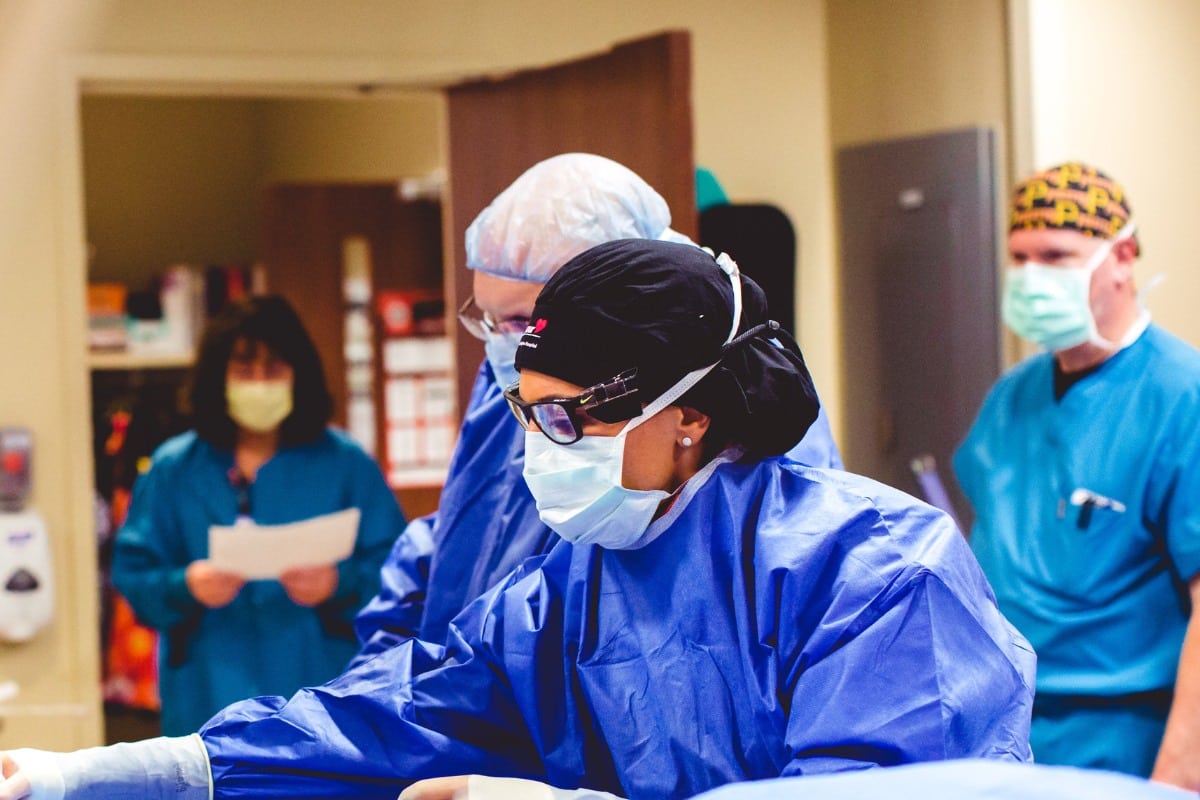
Interventional cardiology team performing advanced heart procedure at Oracle Heart & Vascular surgical suite

Aortic valve disease can make your heart work harder and cause symptoms such as shortness of breath, fatigue, chest discomfort or fainting. When the aortic valve becomes narrowed (a condition called aortic stenosis), it may no longer open fully. This results in restricted blood flow from the heart to the rest of the body. Transcatheter Valve Replacement (TAVR) is an advanced, minimally invasive procedure that can replace a diseased aortic valve without open-heart surgery. At Oracle Heart & Vascular, we offer TAVR for patients who may benefit from a less invasive valve replacement option, often with faster recovery and shorter hospital stays.

What Is TAVR?

Transcatheter Valve Replacement is a catheter-based procedure used to replace a damaged aortic valve. Instead of a traditional open-heart surgical approach, TAVR allows a new valve to be delivered through a blood vessel, usually in the groin, and positioned inside the diseased valve. Once it is expanded, the replacement valve takes over the job of regulating blood flow from the heart into the body, relieving the symptoms of aortic stenosis.

Who Might Benefit From TAVR?

Every patient is evaluated using imaging, diagnostic testing and additional factors to determine if TAVR is the most appropriate option for you. The following are some reasons your Oracle Heart & Vascular cardiologist may recommend it:

  • If you have severe aortic stenosis and are experiencing symptoms
  • If you are considered intermediate, high or prohibitive risk for traditional open-heart surgery
  • If you are seeking a less invasive alternative with potentially quicker recovery
  • If you need symptom relief due to reduced blood flow from the heart

Benefits Of Transcatheter Valve Replacement

Recovery is usually faster than traditional open-heart surgery, with many patients resuming daily activities more quickly and with fewer restrictions. Your provider will discuss expected benefits and risks based on your specific health. For many patients with aortic stenosis, TAVR can:

  • Improve symptoms such as shortness of breath, fatigue and chest discomfort
  • Improve quality of life and functional ability
  • Reduce the risks associated with open-heart surgery
  • Offer a shorter hospital stay and quicker recovery
  • Provide durable valve function over time
Senior couple walking outdoors after successful transcatheter aortic valve replacement at Oracle Heart & Vascular

FAQs About Transcatheter Aortic Valve Replacement

As your heart and vascular experts, our Oracle Heart & Vascular team is deeply invested and committed to every aspect of your case. This includes preparing you for a heart procedure and making sure you have the tools and resources for a successful outcome, both short term and long term. Below, find some frequently asked questions about TAVR.

Transcatheter Aortic Valve Replacement is a minimally invasive way to replace a diseased aortic valve without opening the chest. Instead of open-heart surgery, the new valve is delivered through a catheter, usually through a blood vessel in the groin, and placed inside the existing valve. This approach often results in less pain, shorter hospital stays and faster recovery for many patients.

You may be a candidate if you have severe aortic stenosis and symptoms such as shortness of breath, chest discomfort, fatigue or fainting. It is commonly recommended for patients who are at intermediate or higher risk for traditional surgery, but many patients are now eligible even if they are at lower surgical risk. Your cardiologist will review your imaging and medical health and history to determine the best option for you.

Typically, it takes a few hours. You will also spend time before and after the procedure in preparation and recovery areas while your heart rhythm, blood pressure and overall condition are monitored.

Most patients receive sedation or anesthesia so they are comfortable and relaxed during the procedure. Your care team will discuss the type of anesthesia planned for you before your procedure.

Recovery after TAVR is usually faster than open-heart surgery. Most patients can walk within hours of the procedure and resume light daily activities within days. Your Oracle Heart & Vascular provider will give you specific instructions regarding activity, medications and follow-up visits.

TAVR valves are designed to be durable and function for many years. Ongoing research continues to monitor long-term outcomes. Your cardiologist will follow your valve function with periodic imaging and checkups.

Most patients will continue some heart medications after TAVR, and many will need blood-thinning medication for a period of time to reduce the risk of clot formation. Our team will provide guidance on your medication needs on a one-on-one basis.

As with any medical procedure, TAVR carries some risks, which may include bleeding, blood vessel complications, heart rhythm changes, stroke or infection. Our goal is to minimize complications whenever possible, and your Oracle Heart & Vascular care team will discuss your individual risk profile ahead of your procedure to ensure you are a good fit.

Patient-Centered Care Is At The Heart Of What We Do

Oracle Heart & Vascular proudly serves the Fredericksburg and King George communities with compassionate, patient-focused cardiovascular care. Our experienced team is committed to delivering advanced treatment, personalized support and clear patient education so you feel informed and confident every step of the way. Request your appointment today and take the next step toward better heart health with a team that puts you first.