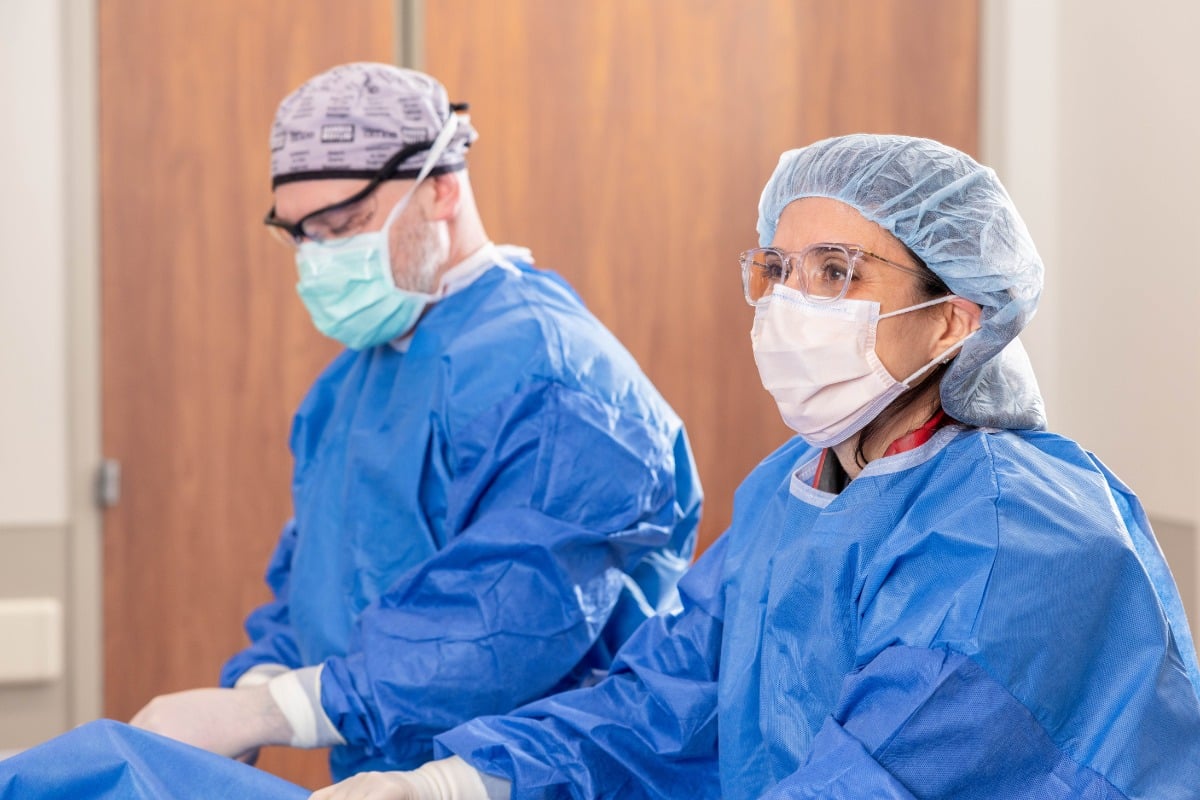
Blocked or narrowed arteries can reduce blood flow to the heart, legs and other vital areas of the body, leading to a host of symptoms as well as increased risk of serious complications. Balloon angioplasty is a minimally invasive solution used to open narrowed or blocked blood vessels and restore healthy circulation. At Oracle Heart & Vascular, balloon angioplasty is performed by experienced interventional cardiovascular specialists using advanced imaging and catheter-based techniques to reduce the need for more invasive surgery and help patients return to daily activities quickly and confidently.
What Is Balloon Angioplasty?
Balloon angioplasty is a catheter-based procedure that widens narrowed or blocked arteries. During the procedure, your Oracle Heart & Vascular interventional cardiologist inserts a thin tube called a catheter with a small balloon at the tip through the blood vessels to the area of blockage. Once in position, the balloon is gently inflated to push plaque against the artery walls to improve blood flow. The balloon is then deflated and removed.
In many cases, your interventional cardiologist may combine angioplasty with stent placement, where a small mesh tube is left in place to help keep the artery open long-term.
Conditions Treated With Balloon Angioplasty
Balloon angioplasty may be used to treat blockages caused by plaque buildup (atherosclerosis) in various parts of the body. Your Oracle Heart & Vascular provider will determine whether angioplasty is appropriate for you. Possible conditions it can treat includes:
What To Expect Before The Procedure
Before scheduling angioplasty, your provider will perform a thorough evaluation that may include reviewing your medical history and symptoms, a physical examination including an assessment of your circulation, bloodwork and imaging such as vascular ultrasound or angiography. Together, these evaluations will give your interventional cardiologist a more complete picture of your heart health and overall health to determine if balloon angioplasty is the right choice.
During The Procedure
Before your procedure, our team will provide detailed preparation instructions, including fasting guidelines and medication adjustments to ensure you are prepared for the procedure. Balloon angioplasty is typically performed in a hospital or specialized procedural setting using local anesthesia and light sedation.
During the procedure, your interventional cardiologist will:

Benefits Of Balloon Angioplasty
Balloon angioplasty can offer many benefits and can be lifesaving in the event of a heart attack. Many patients also experience symptom improvement quickly as blood flow is restored. Some other benefits include:
Balloon Angioplasty FAQs
Angioplasty can play an important role in long-term vascular health, especially when combined with lifestyle changes and medication. To learn more about how balloon angioplasty can help transform your heart and vascular health, read the FAQs below.
Patient-Centered Care Is At The Heart Of What We Do
Oracle Heart & Vascular proudly serves the Fredericksburg and King George communities with compassionate, patient-focused cardiovascular care. Our experienced team is committed to delivering advanced treatment, personalized support and clear patient education so you feel informed and confident every step of the way. Schedule your appointment today and take the next step toward better heart health with a team that puts you first.
Fredericksburg
1011 Care Way, Fredericksburg, VA 22401
King George
15521 Real Estate Ave, Suite 202, King George, VA 22485
Fax
(877) 916-0801