When plaque builds up inside blood vessels, it can restrict circulation and increase the risk of serious complications such as non-healing wounds, heart attack or limb-threatening ischemia. Atherectomy is a minimally invasive procedure that removes plaque from inside the artery, helping restore blood flow and improve symptoms. At Oracle Heart & Vascular, our experienced cardiovascular specialists perform the procedure by using advanced catheter-based technology. This approach allows targeted treatment of blockages while minimizing damage to healthy vessel tissue.
What Is Atherectomy?
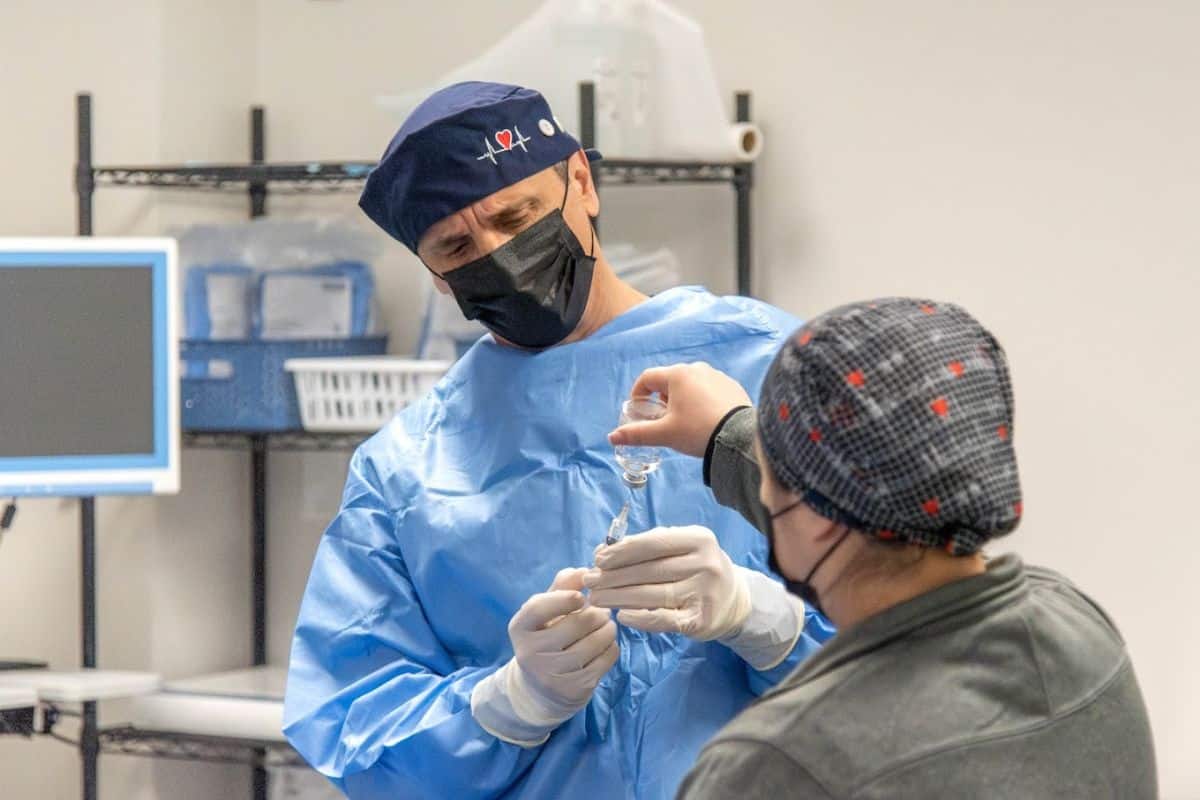
Atherectomy is a catheter-based procedure designed to remove plaque directly from the artery, rather than simply pushing it aside. Our interventional cardiologists guide specialized devices through blood vessels to the blockage, where they cut, shave, grind or vaporize plaque buildup. This procedure is often combined with balloon angioplasty and/or stent placement to optimize long-term results.
This technique can be especially useful in arteries that are:
Conditions Treated With Atherectomy
Atherectomy can help restore circulation and reduce symptoms, improving mobility and quality of life. It may be recommended for patients with Peripheral Artery Disease (PAD), which occurs when plaque narrows arteries supplying the legs, causing:
Complex Or Calcified Arterial Blockages
In some patients, plaque becomes hardened with calcium deposits, making it difficult to treat with balloon angioplasty alone. It can help break up or remove these deposits, allowing other treatments to work more effectively.
Before Your Procedure
Our team will provide clear instructions about fasting, medications and what to expect on the day of your procedure. Your Oracle Heart & Vascular provider will first perform a thorough evaluation that may include:
What To Expect
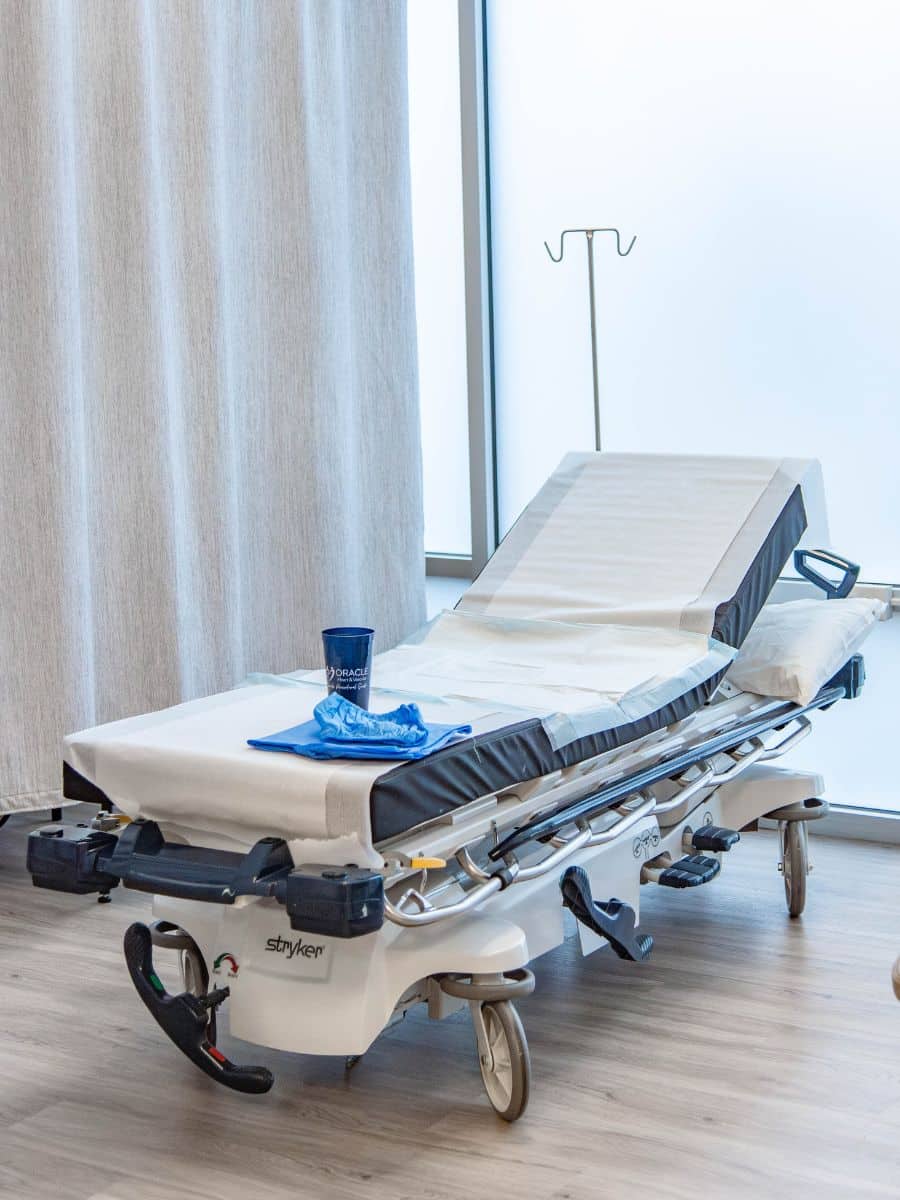
Atherectomy is performed in the Oracle Procedural Suite using local anesthesia and light sedation. Your cardiologist uses advanced imaging throughout the procedure to ensure accuracy and safety.
During the procedure your interventional cardiologist will:
Recovery
After the procedure, you will be monitored while sedation wears off. Most patients go home the same day or after a short observation with temporary activity restrictions. Your provider will review what medications to take and any necessary follow-up care. Many patients notice improvement in symptoms as circulation improves, though full healing and recovery may continue over several weeks depending on disease severity.
Benefits Of Atherectomy
While atherectomy does not prevent plaque build up itself, when combined with medical therapy and lifestyle changes, it can help support long-term vascular health. It can provide several important advantages, including:
Atherectomy FAQs
At Oracle Heart & Vascular, our interventional cardiologists are committed to providing the most innovative and modern techniques and technology in your cardiovascular care. Learn more about what to expect from your procedure by reading these commonly asked questions and their answers:
Patient-Centered Care Is At The Heart Of What We Do
Oracle Heart & Vascular proudly serves the Fredericksburg and King George communities with compassionate, patient-focused cardiovascular care. Our experienced team is committed to delivering advanced treatment, personalized support and clear patient education so you feel informed and confident every step of the way. Schedule your appointment today and take the next step toward better heart health with a team that puts you first.
Fredericksburg
1011 Care Way, Fredericksburg, VA 22401
King George
15521 Real Estate Ave, Suite 202, King George, VA 22485
Fax
(877) 916-0801