Why Oracle Heart & Vascular Is The Right Choice
Trusted Heart & Vascular Care in Fredericksburg & King George
At Oracle Heart & Vascular, our patients are at the center of everything we do. Our experienced cardiovascular team is deeply committed to delivering exceptional heart and vascular care to the Fredericksburg and King George communities. We prioritize your well-being through personalized treatment plans, advanced cardiac services and patient education designed to support long-term heart health. Discover the Oracle Heart & Vascular difference and why so many patients trust us for their comprehensive cardiovascular care needs.


INTEGRITY • INITIATIVE • HARDWORKING • EMPATHY • LOYALTY • POSITIVITY

Expert Heart & Vascular Care with Compassion and Integrity
Our Promise To Every Heart
At Oracle Heart & Vascular, our promise is to deliver compassionate, patient-centered cardiovascular and vascular care with integrity and clinical excellence. From preventative cardiology and advanced diagnostics to interventional treatments and long-term heart health management, we provide comprehensive care at every step. Our greatest honor is earning the trust of our patients and the communities we serve through exceptional outcomes and heartfelt care.
Our Heart And Vascular Services
Individualized Heart & Vascular Care In Fredericksburg, Virginia
At Oracle Heart & Vascular, we deliver comprehensive, multidisciplinary heart and vascular care to patients throughout Fredericksburg, King George, Stafford, Spotsylvania County and Caroline County. Our board certified specialists provide advanced diagnostics, minimally invasive procedures and personalized treatment plans tailored to every stage of cardiovascular disease—from prevention and early detection to complex interventions and long-term management. Through a fully integrated team spanning interventional, structural heart, vascular, venous, heart rhythm, device and non-invasive specialties, we collaborate to ensure seamless, high-quality care. With access to advanced diagnostic testing and coordinated expertise, we create individualized care plans that address today’s concerns while supporting lifelong cardiovascular health.


Home Of The Only Outpatient Vascular Procedural Suite In Fredericksburg
State-of-the-Art Surgical Heart Care Close To Home
Oracle Heart & Vascular’s Fredericksburg location houses the Oracle Procedural Suite, a fully equipped cardiovascular lab. Here, we’re proud to offer select minimally-invasive cardiovascular procedures from the comfort of our office—no hospital stay necessary.
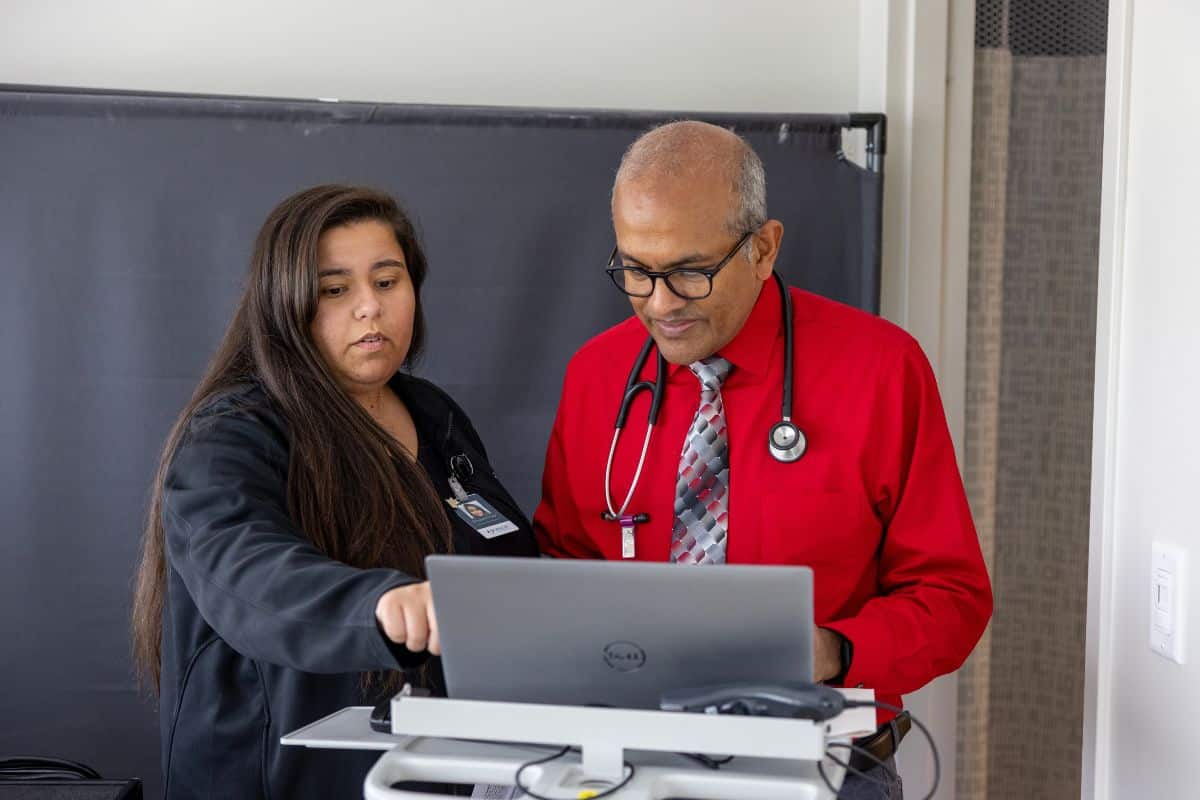
The Oracle Heart & Vascular Team
Cardiologists and Vascular Providers Serving Fredericksburg
Our mission is to serve every patient with compassion, integrity and clinical excellence. We strive to be a trusted partner in your health supporting you, your family, and everyone involved in your care journey. It is our greatest privilege to earn the confidence of those we serve and to have that trust reflected in their continued support and recommendations.
The Oracle Heart & Vascular Team
Cardiologists and Vascular Providers Serving Fredericksburg
Our mission is to serve every patient with compassion, integrity and clinical excellence. We strive to be a trusted partner in your health supporting you, your family, and everyone involved in your care journey. It is our greatest privilege to earn the confidence of those we serve and to have that trust reflected in their continued support and recommendations.

Heart Health By The Numbers
Understanding Cardiovascular Health With Oracle Heart & Vascular
At Oracle Heart & Vascular, we believe informed patients make empowered decisions. These key heart health statistics highlight the importance of prevention, early detection and expert cardiovascular care—helping our team deliver personalized treatment focused on protecting your long-term health.
Your Hometown Heart & Vascular Care
State-of-the-Art Surgical Heart Care Close To Home
At Oracle Heart & Vascular, our focus has always been on providing compassionate, personalized heart and vascular care for our community. We’re grateful to live and work alongside the families we serve, and we truly appreciate the trust you place in our team. Thank you for supporting local care and allowing us to be part of your health journey.
Delivering Top-Notch Cardiovascular Care With Compassion & Dedication
Delivering Top-Notch Cardiovascular Care With Compassion & Dedication
Fredericksburg’s Choice for Exceptional Heart Care
2026 Best of the Burg Winner
Oracle Heart & Vascular is honored to be recognized as the 2026 Best of the Burg winner for both Best Cardiology Practice and Best Vascular Surgical Practice. These awards reflect the trust our patients place in our physicians and team, as well as our commitment to providing advanced heart and vascular care with compassion, clear communication, and individualized treatment.

Heart Health News & Patient Resources
Expert Insights on Cardiovascular Care, Prevention and Treatment in Fredericksburg and King George, VA


Patient-Centered Care Is At The Heart Of What We Do
Oracle Heart & Vascular proudly serves the Fredericksburg and King George communities with compassionate, patient-focused cardiovascular care. Our experienced team is committed to delivering advanced treatment, personalized support and clear patient education so you feel informed and confident every step of the way. Schedule your appointment today and take the next step toward better heart health with a team that puts you first.
Fredericksburg
1011 Care Way, Fredericksburg, VA 22401
King George
15521 Real Estate Ave, Suite 202, King George, VA 22485
Fax
(877) 916-0801